In short
Openers usually fail at the sensors, the drive gear or the logic board. In Princeton, a technician tests each one, fixes what can be fixed and explains the options plainly if a replacement is the better choice.
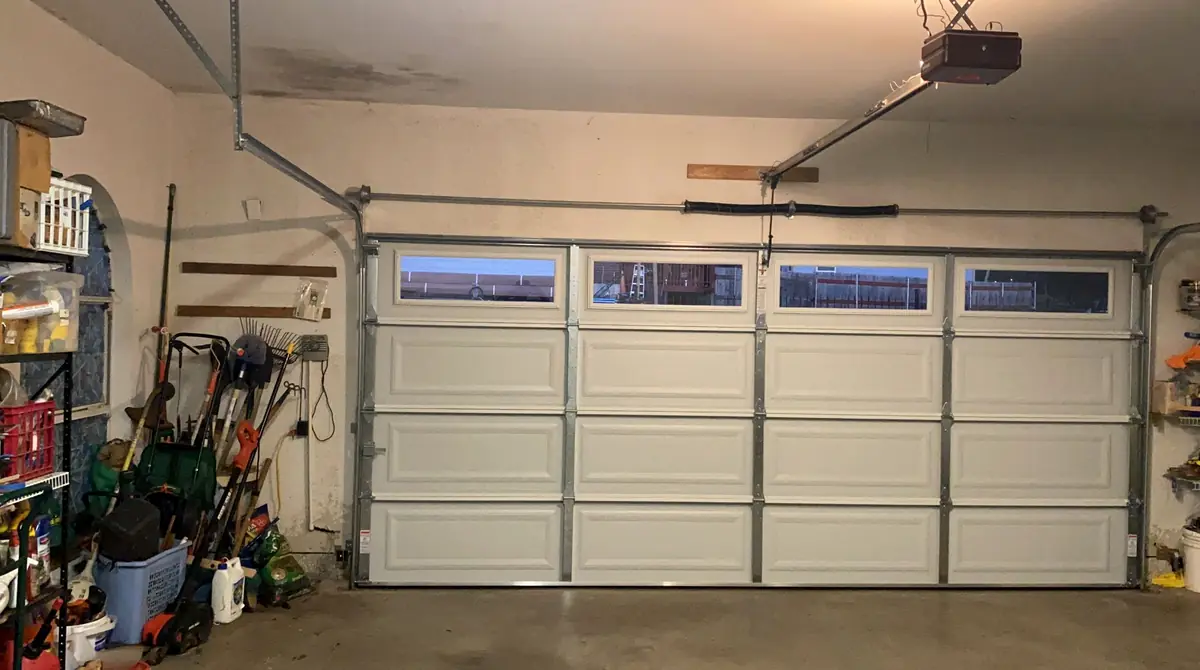
Openers in Princeton homes
Academic households travel, and visiting faculty rent houses for a term at a time. A phone-connected opener with temporary codes is practical for tenants, house-sitters and deliveries.
Glass-heavy modern doors are sensitive to jerky starts; openers with soft start and stop protect them. In-town garages on alleys benefit from quiet units, with neighbors only a few yards away.
Common opener problems and what they usually mean
- Door goes down, then right back up. Usually the safety sensors near the floor are dirty, bumped out of line or failing.
- Opener hums but nothing moves. Often a stripped drive gear, or a broken spring making the door too heavy.
- Remote or keypad dead, wall button fine. Batteries, reprogramming, or a failing receiver.
- Nothing at all. Check the outlet and breaker first; then it may be the logic board.
- Grinding or chain slap. Worn sprockets or a chain that needs adjusting.
Before blaming the motor, the technician disconnects it and lifts the door by hand. A door that won't stay put halfway means the springs need attention first.
Repair or replace?
Sensors, remotes, gears and limit settings are usually worth repairing. A worn-out motor, a failed board on an older unit, or an opener with no safety reverse usually isn't. Replacement options include quiet belt drives, side-mounted jackshaft openers for high ceilings, and models with battery backup and smartphone control.
Around Princeton
- Riverside: Mid-century homes between Lake Carnegie and Harrison Street.
- Littlebrook: Colonials and modern houses in the northeast.
See the full Princeton service area.
Questions we hear in Princeton
We're away for months on sabbatical. Can the door be monitored?
A connected opener reports open and close events to your phone and can be shut remotely.